
Introduction
Skin brightening and tone-evening products are widely used in Pakistan, especially by people dealing with pigmentation, dark spots, acne marks, and uneven skin tone. While these creams promise glowing and clearer skin, many users are unaware of their potential side effects.
Not all skin whitening products are harmful, but misuse, low-quality formulations, and harsh ingredients can negatively impact skin health. Dermatologists emphasize that understanding ingredients and using products correctly is more important than chasing quick results.
In this guide, we will explore possible side effects, safe usage practices, key ingredients to watch out for, and how QHC Skin Whitening Cream skincare solutions can support a healthier and more balanced routine.
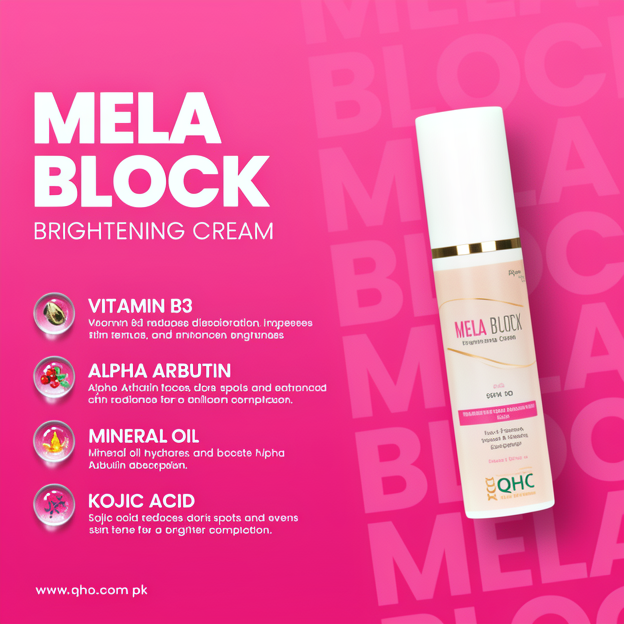
Understanding Skin Whitening Creams
Skin whitening creams are designed to reduce the appearance of dark spots, pigmentation, melasma, and uneven skin tone. They act by decreasing melanin synthesis in the skin.
However, not all products are created equally. Some focus on safe ingredients like niacinamide and vitamin C, while others may include harsh bleaching agents that can damage the skin barrier.
Common Side Effects of Skin Whitening Creams
Skin Irritation and Redness
One of the usual side effects is irritation.Harsh chemicals can cause redness, burning sensation, or itching, especially in sensitive skin types.
Dryness and Flaking
Some whitening products strip natural oils from the skin, leading to dryness and flaky texture. This weakens the skin barrier over time.
Increased Sensitivity to Sun
Certain ingredients make the skin more sensitive to UV rays. Without proper sunscreen use, this can lead to sun damage and pigmentation worsening.
Uneven Skin Tone
Overuse of strong lightening agents can cause patchy or uneven skin tone instead of improving skin clarity.
Acne Breakouts
Comedogenic or heavy formulations may clog pores, leading to acne flare-ups, especially in oily skin.
Harmful Ingredients to Avoid
Hydroquinone (Unregulated Use)
While effective in some cases, overuse or unsupervised use can lead to long-term skin damage.
Steroids in Cosmetic Creams
Some low-quality products contain steroids that give fast results but weaken the skin over time.
Mercury-Based Compounds
These are highly dangerous and banned in many countries due to serious health risks.
Artificial Fragrances
They can trigger allergic reactions and irritation in sensitive skin.
Safe Ingredients That Actually Work
Niacinamide for Brightening
Helps reduce pigmentation and improve skin tone without damaging the skin barrier.
Vitamin C for Glow
A powerful antioxidant that enhances radiance and protects against environmental damage.
Alpha Arbutin for Pigmentation
Gently reduces dark spots and promotes even skin tone.
Hyaluronic Acid for Hydration
Keeps skin plump and hydrated while using active ingredients.
Aloe Vera for Soothing
Calms irritation and supports healing.
Why QHC Skincare Focuses on Safe Formulations
QHC is designed with a skin-first philosophy, focusing on gentle yet effective skincare solutions suitable for Pakistani weather conditions.
Balanced Formulas
QHC products aim to support skin brightness without harsh bleaching effects.
Hydration and Repair
Instead of stripping the skin, QHC focuses on maintaining moisture and strengthening the skin barrier.
Suitable for Daily Use
Products are designed for consistent use without long-term damage when used correctly.
How to Use Whitening Creams Safely
Do a Patch Test First
Always test a small area before full application to check for reactions.
Use Sunscreen Daily
Sun protection is essential when using brightening products to avoid further pigmentation.
Avoid Overuse
Using more product does not give faster results it can actually harm the skin.
Follow a Simple Routine
Cleanser – Moisturizer – Whitening product – Sunscreen
Consult a Dermatologist
If you have severe pigmentation or sensitive skin, professional advice is always recommended.
Who Should Be Careful With Whitening Creams
Sensitive Skin Users
They are more prone to irritation and allergic reactions.
Teenagers
Young skin is still developing and does not need strong active ingredients.
Pregnant Women
Certain ingredients may not be safe during pregnancy.
People With Skin Conditions
Eczema, rosacea, or active acne require medical guidance before using such products.
Natural Alternatives for Skin Brightening
Instead of relying only on chemical-based creams, many dermatologists recommend combining skincare with natural care.
Healthy Diet
Fruits rich in antioxidants help improve skin glow naturally.
Hydration
Drinking enough water improves skin texture and elasticity.
Gentle Skincare Routine
Using mild cleansers and moisturizers supports long-term skin health.
Benefits of Using the Right Brightening Cream
When used correctly, safe products can offer:
- Improved skin tone and clarity
- Reduced dark spots and pigmentation
- Enhanced natural glow
- Better skin texture
- Even complexion over time
The key is consistency and choosing the right formulation.
Featured Skincare Insight
Dermatologists often highlight one important rule:
“Healthy skin is built through care, not chemicals.”
This means long-term skin improvement always comes from safe ingredients and consistent routines rather than quick fixes.
Summary
Skin whitening creams can be both helpful and harmful depending on their formulation and usage. While some products support brighter and more even skin, others may cause irritation, dryness, or long-term damage if misused.
The key is to focus on safe ingredients, avoid harmful chemicals, and follow a balanced skincare routine. Brands like QHC aim to support healthy skin through gentle, hydrating, and barrier-friendly formulations designed for everyday use.
Ultimately, glowing skin is not about changing your natural tone—it is about achieving healthy, even, and well-nourished skin that looks its best naturally.
FAQ
1. Are skin whitening creams safe for daily use?
Yes, but only if they contain safe ingredients and are used as directed without over-application.
2. What are the most common side effects?
Redness, dryness, breakouts, and increased sun sensitivity are the most common issues.
3. Can whitening creams permanently damage skin?
Harsh or illegal ingredients can cause long-term damage if used improperly or for too long.
4. How can I choose a safe skin brightening cream?
Look for dermatologist-approved ingredients like niacinamide, vitamin C, and alpha arbutin.
5. Do I need sunscreen with whitening creams?
Yes, sunscreen is essential to protect skin and prevent pigmentation from worsening.