
Introduction
Acne-prone skin needs special care, especially when it comes to sun protection. Many people in Pakistan avoid sunscreen thinking it causes breakouts, but in reality, skipping sun protection can make acne scars, pigmentation, and inflammation worse.
Sun exposure triggers excess oil production, darkens acne marks, and slows down skin healing. That is why dermatologists strongly recommend using a lightweight, non-comedogenic sunblock daily.
In this guide, you will learn how to choose the right sun protection for acne-prone skin, what ingredients to look for, common mistakes to avoid, and how QHC Sunblock skincare supports a healthy and balanced routine.
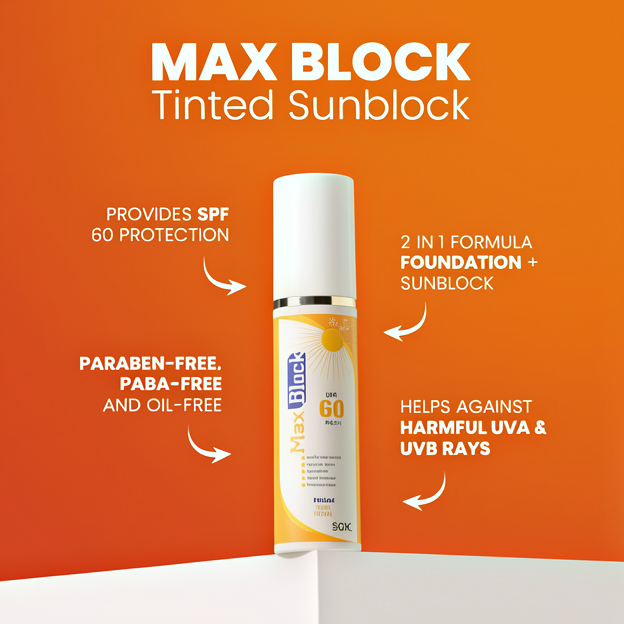
Why Acne-Prone Skin Needs Sunblock
Prevents Dark Spots and Pigmentation
UV rays can make acne marks darker and more visible, slowing down skin recovery.
Controls Oil Imbalance
Proper sun protection helps reduce skin stress, which can otherwise trigger excess sebum production.
Supports Acne Healing
Sun exposure can worsen inflammation. A good sunblock protects healing skin from damage.
Prevents Premature Aging
Even acne-prone skin can develop early fine lines if exposed to UV rays without protection.
Understanding Acne-Prone Skin in Pakistan
Acne-prone skin in Pakistan is often affected by heat, humidity, pollution, and dust. These environmental factors clog pores and trigger breakouts.
Common Triggers
- Excess oil production
- Dust and pollution exposure
- Hormonal changes
- Harsh skincare products
- Lack of proper sun protection
A good skincare routine must balance hydration, oil control, and protection.
Key Features of Acne-Safe Sunblock
Non-Comedogenic Formula
This ensures the product does not clog pores or cause new acne breakouts.
Lightweight Texture
Gel-based or fluid sunscreens are ideal for hot and humid climates.
Oil-Free Composition
Oil-free formulas help control shine and reduce acne flare-ups.
Broad-Spectrum Protection
Protects against both UVA (aging) and UVB (burning) rays.
SPF 30–50 Range
Dermatologists generally recommend SPF 30 or higher for daily use.
Ingredients That Help Acne-Prone Skin
Niacinamide for Oil Control
Helps regulate sebum, reduce redness, and improve skin texture.
Zinc Oxide for Gentle Protection
A mineral filter that is soothing and suitable for sensitive acne-prone skin.
Hyaluronic Acid for Hydration
Keeps skin hydrated without making it greasy.
Aloe Vera for Soothing Effect
Reduces inflammation and calms irritated skin.
Vitamin E for Skin Repair
Supports healing of acne marks and strengthens the skin barrier.
Why QHC Sun Protection Works for Daily Use
QHC focuses on gentle skincare solutions designed for Pakistani skin conditions, including acne-prone and sensitive skin types.
Lightweight and Non-Greasy
QHC sun protection formulas are designed to feel light on the skin and absorb quickly without clogging pores.
Skin Barrier Friendly
Helps protect skin while maintaining natural moisture balance.
Suitable for Daily Routine
Can be used under makeup or on bare skin without heaviness.
Supports Clear Skin Goals
Regular use helps reduce sun damage, pigmentation, and post-acne marks.
How to Choose the Right Sunblock
Match With Your Skin Type
Acne-prone skin needs oil-free and non-comedogenic products.
Check SPF Rating
SPF 30–50 is ideal for Pakistani weather conditions.
Avoid Heavy Creams
Thick and greasy formulas can trigger breakouts.
Look for Dermatologist-Recommended Labels
Products tested for sensitive and acne-prone skin are safer.
Test Before Full Use
Always do a patch test to avoid allergic reactions.
Proper Way to Apply Sunblock
Morning Application
Apply sunblock after moisturizer and before makeup.
Correct Quantity
Use about two fingers’ worth for full face coverage.
Reapplication
Reapply every 2–3 hours if exposed to sunlight.
Don’t Skip Neck Area
Neck and jawline also need protection from UV damage.
Common Sunblock Mistakes to Avoid
- Using too little product
- Skipping sunscreen on cloudy days
- Not reapplying during outdoor exposure
- Choosing heavy, pore-clogging formulas
- Relying only on makeup with SPF
Benefits of Daily Sun Protection
- Reduced acne scars and pigmentation
- Faster healing of breakouts
- Even and brighter skin tone
- Protection against premature aging
- Healthier and stronger skin barrier
Featured Skincare Insight
Dermatologists emphasize a simple truth:
“No sunscreen means no skincare routine is complete.”
Even the best serums and cleansers cannot protect your skin without proper sun protection.
Final Words
Choosing the right sun protection is essential for managing acne-prone skin, especially in Pakistan’s harsh climate. A lightweight, non-comedogenic formula helps prevent breakouts, reduces pigmentation, and supports long-term skin health.
While exploring skincare options, many users look for the best Sunblock in pakistan, but the real focus should always be on skin compatibility, ingredient safety, and consistent use rather than brand hype.
QHC offers gentle and balanced sun protection designed for daily use, helping skin stay protected without feeling heavy or greasy. With the right routine, acne-prone skin can become clearer, healthier, and more resilient over time.
FAQ
1. Can sunblock cause acne breakouts?
Only if it is heavy or comedogenic. Oil-free, non-comedogenic formulas are safe for acne-prone skin.
2. Should oily skin use sunblock daily?
Yes, oily and acne-prone skin must use sunblock daily to prevent dark spots and sun damage.
3. What SPF is best for acne-prone skin?
SPF 30 to SPF 50 is recommended for daily protection in Pakistan.
4. Can sunblock reduce acne marks?
It does not remove marks directly but prevents them from getting darker and supports healing.
5. How many times should I apply sunblock?
Apply once in the morning and reapply every 2–3 hours if exposed to sunlight.