
Walk into any skincare aisle and you’ll see these four words thrown around like they mean the same thing. They don’t. And honestly, the confusion isn’t your fault. Brands love the vagueness because it lets them charge premium prices for products that might do a lot less than advertised.
Let’s clear it up. For good.
They’re All Chasing the Same Molecule
Here’s the secret nobody tells you upfront. Retinol, retinal, and retinoic acid aren’t three different ingredients. They’re three stages of the same journey.
Your skin only responds to one final form: retinoic acid. Everything else, every serum, every cream, every “advanced formula,” is all just raw material your skin has to convert before anything happens.
Think of it like ordering food delivery. Retinoic acid is the meal, ready to eat. Retinol is the ingredients still in the grocery bag. Someone has to cook it first.
Retinol: The Slow Burn
Retinol needs two conversion steps before your skin can use it. First it becomes retinaldehyde, then finally retinoic acid. Two steps means two chances for potency to get lost along the way.
This is why retinol takes weeks, sometimes months, to show visible change. It’s not weak. It’s just patient. Painfully patient, if you’re someone checking the mirror every morning hoping for a miracle.
But that slowness is also its gift. Because the conversion happens gradually, retinol tends to be gentler on the skin barrier than its more direct cousins. If you’re new to actives, or your skin flushes red at the mention of “acid,” retinol is usually where you start.
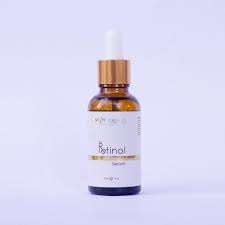
best retinol serum for you : https://skinsciences.com.pk/products/retinol-serum
Retinal: The Middle Child Nobody Talks About
Retinaldehyde, or retinal for short, only needs one conversion step. That single difference matters more than it sounds.
Studies have shown retinal can work faster than retinol while still being gentler than retinoic acid. It sits in this strange, underrated middle ground: strong enough to matter, mild enough to forgive a little inconsistency in your routine.
And yet almost nobody’s talking about it. Ask ten people to name a retinal serum and most will blink. That’s not because it doesn’t work. It’s because retinol got there first and claimed all the marketing real estate.
Retinoic Acid: No Patience Required
This is the finished product. Prescription strength, no conversion necessary, no waiting around. Your skin uses it immediately, which is exactly why it’s not sold over the counter in most places. It needs a dermatologist’s blessing.
It works fast. It can also punish fast. Redness, peeling, that raw, sunburned feeling. Retinoic acid doesn’t ease you in the way retinol does. It just gets to work, consequences included.
If retinol is a slow burning candle, retinoic acid is flipping on a floodlight. Effective, undeniable, but not always comfortable.
Bakuchiol: The Outsider Crashing the Party
Here’s where things get interesting. Bakuchiol isn’t a retinoid at all. It’s a plant derived compound, pulled from the seeds of the babchi plant, that just happens to trigger some of the same skin responses as retinoids do.
No conversion. No relationship to vitamin A. Completely different chemistry, similar outcome.
That’s the part that surprises people. It sounds like marketing spin, the kind of “too good to be true” claim skincare brands love to exaggerate. But there’s real research behind it. Bakuchiol has been shown to improve fine lines and texture with a fraction of the irritation.
Is it as powerful as retinoic acid? No, not even close. But if your skin has ever betrayed you the moment a retinoid touched it, stinging, flaking, that tight feeling like your face doesn’t belong to you, bakuchiol might be the compromise you’ve been waiting for.
So Which One Actually Wins?
None of them. That’s the honest, slightly unsatisfying answer.
It depends entirely on what your skin can tolerate and how much patience you’re willing to spend.
- New to actives, or reactive skin: Retinol. Gentle, proven, slow.
- Want a faster middle ground: Retinal. Underrated, quietly effective.
- Serious concerns, dermatologist involved: Retinoic acid. Fast, intense, needs a prescription.
- Pregnant, sensitive, or retinoid avoidant: Bakuchiol. Different mechanism, gentler ride.
There’s no universal winner here, and anyone who tells you otherwise is probably trying to sell you something.
Your skin doesn’t care about ingredient hierarchies. It cares about what it can actually handle without rebelling. Sometimes the “weakest” option on paper is the strongest choice for your specific face, and that’s not a compromise. That’s just skincare done right.